
Artificial intelligence defense startups get compute power they need to complete their software
Artificial intelligence defense startups get compute power they need to complete their software
Artificial intelligence defense startups get compute power they need to complete their software

The solicitation is broad-ranging, calling for tech for use in eight "capability focus areas," from unmanned mine-clearers to "drone swarm or sensor-to-shooter systems that aid in target acquisition, fire adjustment, massing of fires, and attack capabilities."


Consolidate network monitoring, performance management, and fault isolation into a single, comprehensive solution.

“If [adversaries] see that we're unable to respond, as we have in the past, then it's very likely that we will see an increase in malicious activity," one expert told Breaking Defense. "No question about it."

“When you pull an organization that was a direct report to the deputy secretary or secretary and move it somewhere else…the message to the force is loud and clear: This isn’t a priority,” said retired Lt. Gen. Jack Shanahan, who founded the predecessor to the current Chief Digital & AI Office (CDAO).

Up until now DISA was able to create four completed JELAs in the span of 10 years, so creating three more in three years, as is DISA's goal, may prove to be tricky.

Adm. Tony Radakin also warned, however, that whoever gets to "artificial super intelligence" first will dominate on the battlefield.


The transaction is set to complete in early 2026.


Protecting warfighters requires fast, accurate, and dependable systems that work flawlessly to military standards.

Khanna is the ranking member of a subcommittee that’s focused on technologies with the potential to threaten US national security.

From printing thousands of drone “bodies” to hundreds of vehicle components, the land service sees a host of opportunities from additive manufacturing.
Michigan’s defense ecosystem and expertise makes it a special asset for production.

Maj. Gen. Borys Kremenskyi told a ground vehicles conference his military is ready to “test” any options industry has to offer.


It’s about improving existing platforms with autonomy, and applying AI, edge computing, quantum encryption, and sensor fusion.
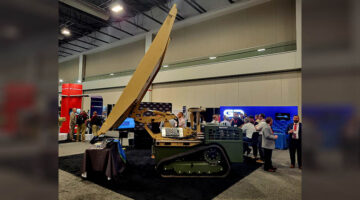
“The Marine Corps wanted basically anything that could be a modular payload on a robot. They wanted a laundry list of capabilities...," said GS Engineering's Traci Webb.

Sponsored by the Army, Deep Orange is a vehicle prototype program in which Clemson students design, engineer and build a new ground platform each year.